
Piles Treatment in Indore
Home » Piles Treatment in Indore
MCDPA in Indore
A non-surgical treatment protocol combining medications, constipation management, dietary changes, and physiotherapy to control early-stage piles and prevent progression.
LHP (Laser Hemorrhoidoplasty) in Indore
A painless, minimally invasive laser procedure that shrinks hemorrhoidal tissue without cuts or stitches. Ideal for grade 2 and 3 piles with fast recovery and minimal discomfort.
Mucopexy in Indore
A procedure that lifts and secures prolapsed hemorrhoids without tissue removal. Often used in combination with laser or stapler techniques to restore normal anatomy.
Rectopexy in Indore
A surgical method used to correct rectal prolapse by repositioning and fixing the rectum. Helps relieve symptoms like rectal bulging, incomplete evacuation, and mucous discharge.
MIPH / PPH Surgery in Indore
Also known as Stapler Hemorrhoidopexy, this technique uses a circular stapling device to reposition and fix prolapsed hemorrhoids. It ensures minimal pain, less bleeding, and a quick return to normal life.
Chivate’s Hemorrhoidopexy Procedure in Indore
Also known as Stapler Hemorrhoidopexy, this technique uses a circular stapling device to reposition and fix prolapsed hemorrhoids. It ensures minimal pain, less bleeding, and a quick return to normal life.
Laser Hemorrhoidectomy in Indore
A precision-based laser procedure that removes hemorrhoidal tissue with minimal bleeding and no stitches. Offers a comfortable, daycare treatment option for advanced piles.
Our Services
- Piles Treatment
- Fissure Treatment
- Fistula Treatment
- Pilonidal Sinus
- Proctology
Book Your Appointment
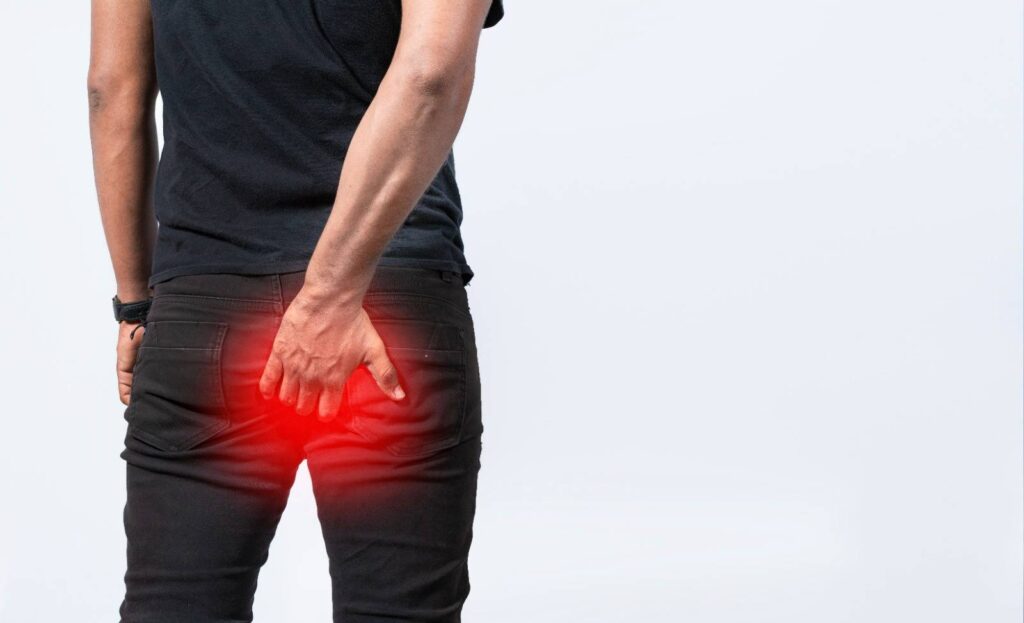
Hemorrhoids/Piles Surgery in Indore
Hemorrhoids, also known as piles, are swollen veins in the lower rectum or anus that can cause discomfort, itching, bleeding, and pain. Though commonly considered a minor issue, piles can significantly affect quality of life. Understanding the types, causes, symptoms, and treatment options can help you manage the condition more effectively.
Types of Hemorrhoids
Internal Hemorrhoids: Located inside the rectum; usually painless but may cause bleeding.
External Hemorrhoids: Found around the anus; more painful and may cause swelling or lumps.
Causes of Hemorrhoids (Piles)
Hemorrhoids develop due to increased pressure on the rectal veins. Common causes include:
Straining during bowel movements (typically due to constipation)
Chronic constipation or diarrhea
Pregnancy, especially in the third trimester
Obesity, increasing pressure on pelvic veins
Sedentary lifestyle and lack of exercise
Aging, which weakens supportive tissues
Family history or genetic predisposition
Lifting heavy weights or intense physical effort
Symptoms of Hemorrhoids (Piles)
Symptoms may vary depending on whether the hemorrhoids are internal or external. Common signs include:
Bright red bleeding during or after bowel movements
Itching and irritation around the anus
Pain or discomfort during sitting or bowel movements
Swelling or lumps near the anus
Prolapsed hemorrhoids bulging outside the anal opening
Mucus discharge in some cases
Treatment Options for Hemorrhoids (Piles)
Treatment depends on the severity and type of hemorrhoids.
Home Remedies
Increase fiber intake to soften stools and reduce straining
Take sitz baths (warm water soaks) to relieve pain and swelling
Use topical ointments or creams to reduce itching and discomfort
Minimally Invasive Treatments
Rubber Band Ligation: Cuts off blood supply to internal hemorrhoids, causing them to shrink
Sclerotherapy: Injection of a chemical solution to shrink hemorrhoids
Infrared Coagulation: Laser is used to burn and shrink the hemorrhoidal tissue
Surgical Treatments
Hemorrhoidectomy: Surgical removal for severe or persistent hemorrhoids
Stapled Hemorrhoidopexy (MIPH/PPH): Uses a stapling device to reposition and fix prolapsed hemorrhoids
Advanced Piles Treatments in Indore
We offer advanced and specialized procedures for long-term relief:
MCDPA (Medication, Constipation Management, Diet, Physiotherapy, Ayurveda): A conservative non-surgical protocol
LHP (Laser Hemorrhoidoplasty): Minimally invasive laser procedure to shrink hemorrhoids without incisions
Mucopexy: Lifts and secures prolapsed hemorrhoids without removing tissue
Rectopexy: Repositions the rectum to correct rectal prolapse
MIPH/PPH Surgery: Stapler surgery that fixes and restores prolapsed hemorrhoids
Chivate’s Hemorrhoidopexy: Fixation technique with minimal tissue trauma and recurrence
Laser Hemorrhoidectomy: Laser-based removal of hemorrhoidal tissue with minimal bleeding
Benefits of Laser Surgery for Piles
Laser piles surgery offers multiple clinical advantages over traditional methods:
High precision with minimal tissue damage
Less postoperative pain and discomfort
Faster healing and quicker return to normal activities
Lower risk of infection due to a sterile technique
Minimal bleeding during the procedure
Often performed as a daycare treatment
Why Choose Us for Piles Treatment in Indore
Here’s why patients across Indore trust us for piles treatment:
Experienced proctologists with thousands of successful procedures
Use of USFDA-approved laser technology
Full care under one roof — from consultation to post-surgical follow-up
Personalized treatment plans tailored to your condition
High success rate and low recurrence with fast recovery times
If you’re looking for reliable, effective, and advanced piles treatment in Indore, we offer a complete range of care options — from non-surgical solutions to minimally invasive laser procedures.
Contact us today to book your consultation and begin your journey to lasting relief.
Phone: +91-9111455565
Email: in**@*****************re.com
Piles, also known as hemorrhoids, are swollen and inflamed blood vessels in and around the anus and lower rectum.
- Bright red blood during or after bowel movements
- Itching, irritation, or burning around the anus
- Pain or discomfort during bowel movements
- Swelling or a hard lump near the anus
- Mucus discharge after passing stool
- Excessive straining during bowel movements
- Chronic constipation or diarrhea
- Eating a low-fiber diet
- Sitting on the toilet for long periods
- Pregnancy and aging
Yes, early-stage (Grade 1 and 2) piles can often be treated successfully with lifestyle changes, high-fiber diets, medications, and minimally invasive options. Advanced stages (Grade 3 and 4) or severe bleeding often require medical procedures or surgical options like Laser Piles Surgery or a hemorrhoidectomy.
No, if medicinal course and diet is followed the pain reduces day by day.
it is very rare.
No, it’s just one day stay at hospital.
Patient normally gets discharged from hospital within 24hrs. The recovery period is relatively short. Patient can join duty after 3 days of operation.
No, the new technique known as stapler surgery does not involve any kind of cuts or stitches and hence no dressing is required.
As with all procedure piles caries risks, (Unexperienced hand can result in excessive bleeding, pain, incontinence & stricture) however such complications are rare.
No. Piles do not lead to cancer. However, the initial symptoms of anorectal cancer are similar to that of piles. This is the main and important reason to consult a doctor if you have any symptoms.
Thanks to modern techniques like laser surgery and anesthesia, most piles treatments today are either pain-free or cause minimal discomfort.
Yes. Piles can occur at any age. However, adults of age group from 45-60 are more susceptible to developing piles as the anal canal weakens over time with age.
Yes. Laser surgery works as a permanent cure for piles as it improves the blood flow in the anal region and promotes tissue regeneration for faster recovery. Hence, the chances of recurrence are negligible. That’s why the laser technique is regarded as a permanent solution for piles.
You cannot diagnose piles by yourself, but you can identify the symptoms below to check whether you have piles or not-
- Blood in stools
- Itchy anus
- Lumps around the anus (external piles)
- Pain around the anus (prolapsed piles)
Piles/hemorrhoids are usually diagnosed by a physician or general surgeon through a visual examination to take a look at the swollen and inflamed veins. If you have these symptoms, you should visit a doctor immediately.
The laser surgery for piles treatment takes approximately 30-45 minutes
Yes. Pregnant women are more prone to piles as their pelvic region is constantly under pressure. Other reasons why women get piles during pregnancy are increased blood volume, changing hormones, constipation, and excessive pressure on the veins near anus.
Haemorrhoids are mucosal swellings containing blood vessels inside or around the anal canal.
- Ans:Piles (पाइल्स)
- Bavasir (बवासीर)
- Masse (मस्से)
- Arsh (अर्श / आयुर्वेद)
- Internal Haemorrhoids (Above dentate line)
- External Haemorrhoids (Below dentate line)
- Mixed (Interno-External) Haemorrhoids
Note: Mixed haemorrhoids may prolapse, thrombose, or ulcerate.
Goligher's Classification.
Goligher's Classification (Grades of Internal Haemorrhoids)
Grade I: Do not prolapse and remain inside.
Grade II: Come out during defecation (motion) and reduce on their own.
Grade III: Prolapse during defecation and need manual reduction.
Grade IV: Remain outside and are irreducible.
In simple words: Too much pressure on the blood vessels causes them to bulge and stretch, just like a balloon filled with air.
Causes:
- Straining – Pushing too hard during defecation (motion).
- Long sitting – Increases pressure in the rectal area.
- Irregular bowel habits – Long-lasting constipation or diarrhea.
- Pregnancy – Increased pressure on the pelvic floor due to the growing baby.
Etiology (Causes) of Haemorrhoids (Continued)
- Heavy lifting – Increased body pressure.
- Genetics – Family history.
- Ageing – Loosening of blood vessels with increasing age.
- Obesity – Increased pressure on the rectal area.
- Low-fibre diet – Poor dietary habits.
- Less intake of water – Diet low in water and fibre.
- Spending a long time on the toilet – Often associated with irregular dietary habits.
- Use of western toilet – Prolonged sitting on the toilet may increase pressure on hemorrhoidal veins.
Chronic Constipation & Diarrhea
Requires you to push hard (straining) and spend more time on the toilet.
High pressure blocks normal blood flow and causes swelling.
IBD (Inflammatory Bowel Disease)
A long-term condition that can cause frequent diarrhea and straining.
Liver Cirrhosis & Portal Hypertension
Portal hypertension increases pressure in the venous system, leading to swelling of hemorrhoidal cushions.
Bedridden Patients
Patients who remain in bed for prolonged periods (e.g., after CVA/stroke or other illnesses) may develop irregular bowel habits and constipation, increasing the risk of haemorrhoids.
Rectal Mass or Growth
A rectal mass narrows the anal canal, increasing pressure in the rectal cavity and can lead to haemorrhoids.
Chronic Diseases
Examples include:
- Diabetes Mellitus (DM)
- Hypertension (HTN)
- Cerebrovascular Accident (CVA)
- Cardiac diseases
- Chronic Asthma
Abdominal diseases
They are usually not life-threatening, but if left untreated for a long period, they can cause many complications, such as:
- Increased Bleeding
Can lead to anemia.
- Pain
Haemorrhoids are usually painless, but if they become more swollen, they can be painful.
- Prolapse
Initially, the haemorrhoids go back inside on their own, but over time they may become irreducible (cannot be pushed back).
- Thrombosis
Due to long-standing haemorrhoids, a blood clot (thrombus) can develop, causing a very painful condition.
- Ulceration
Due to constant rubbing, ulcers can develop, leading to pain and bleeding.
History of Symptoms
- Bleeding during or after passing motion.
- Swelling from the anal canal during motion.
- Pain (mainly in cases of thrombosed haemorrhoids).
- Itching.
- Feeling of incomplete evacuation (incomplete motion).
- Constipation, prolonged straining, or chronic diarrhea.
- Mucus discharge.
Clinical Examination
- General Examination
- Look for pallor to rule out anaemia.
- Local Examination
- External haemorrhoids
- Prolapsed haemorrhoids
- Skin tag
- Thrombosed haemorrhoids
- Ulcer
- Edema (swelling)
Per Rectal Examination (Digital Rectal Examination)
A digital examination is done to assess:
- Haemorrhoids
- Tone of the anal sphincters
- Presence of blood
- Tenderness
- Any other abnormalities
Anoscopy
A simple examination performed to look inside the anal canal.
It helps to confirm the presence of internal haemorrhoids.
Note: Anoscopy helps to identify:
- Grade of haemorrhoids
- Source of bleeding
- Any fissure, polyp, or other disease of the anal canal
Sigmoidoscopy / Colonoscopy
Sometimes, bleeding from the anal canal may not be due to haemorrhoids. Therefore, sigmoidoscopy or colonoscopy is done to confirm the cause.
It helps to detect:
- Rectal bleeding
- Polyps
- Inflammatory Bowel Disease (IBD)
- Cancer or growth
- These tests are usually done if warning signs are present, such as:
- Dark stool mixed with blood
- Weight loss
- Irregular bowel habits
- Family history of cancer
- Palpable mass
- Bleeding despite treatment
Light Proctoscopy / Procto-Rectoscopy
Used to examine the anal canal and rectum in more detail.
Non-Surgical Management (Without Operation)
- Dietary Management
Things to prefer in diet:
- High-fibre foods
- Fruits: Papaya, Apple, Pear, Orange
- Vegetables: Carrot, Beetroot, Cucumber, Pumpkin
- Whole grains: Whole wheat chapati, Oats, Brown rice, Millet (Jowar, Bajra, Ragi)
- Drink Plenty of Fluids
- Water: 8–10 glasses/day
- Coconut water
- Buttermilk
- Lemon water
- Clean soups
- Reduce Oil & Spices
- Less oil
- Less spicy food
- Avoid junk food
- Drink Plenty of Fluids
- Water (8–10 glasses/day)
- Coconut Water
- Buttermilk
- Lemon Water
- Clean Soups
- Probiotic Foods
- Curd
- Buttermilk
- Dahi
- Idli
- Healthy Fats
Things to Avoid in Diet Management
- Very spicy food
- Very oily & fatty food
- Fast food
- Processed snacks
- Excess red meat
- Maida
- Excess alcohol
Lifestyle Modification & Healthy Lifestyle
- Regular Exercise
Include pelvic floor exercises.
- Time for Eating is Fixed
- No prolonged sitting on the toilet.
- Avoid Long Sitting Work
- Avoid straining
- Avoid constipation
- Avoid eating junk food
- Avoid alcohol
Symptomatic Medicine
Allopathic
- Stool Softeners
- Lactulose syrup
- Polyethylene Glycol (PEG)
- To prevent constipation & reduce straining
Pain Relief
PCM (Paracetamol)
Local Creams & Ointments
(For relief from pain, itching & swelling)
- Lidocaine
- Combined cream containing local anaesthetic with steroid
Venotonic Drugs
- Micronized Purified Flavonoid Fraction (MPFF)
- Diosmin
- Hesperidin
Ayurvedic (Prescribed by Ayurvedic Physician)
- Arshoghni Vati – For piles (hemorrhoids)
- Triphala Churna – For relieving constipation
- Triphala Guggulu – For inflammation & wound healing
- Nagkesar Churna – For bleeding hemorrhoids
Homeopathic
- Aesculus Hippocastanum – For painful hemorrhoids, feeling of fullness
- Hamamelis Virginiana – For bleeding hemorrhoids
- Nux Vomica – For constipation
- Paeonia – For burning pain after passing stool
Office Based Procedure (Small Procedure without Major Surgery)
- Rubber Band Ligation
Done: Without admission or with a short stay.
Benefits:
- No major stitches
- 5–10 min procedure
- Less expensive
Disadvantages:
- Pain & discomfort
- Bleeding
- Not suitable for large prolapse
- High chance of recurrence
- Injection Sclerotherapy
Benefits:
- Simple & quick
- Slightly painful needle
Disadvantages:
- Pain & discomfort
- Ulcer
- Stricture formation
Recurrence (large haemorrhoids may require multiple sessions)
Not suitable for haemorrhoids [Note: likely refers to large/advanced stages]
⭐ Surgical Treatment (operative treatment)
Done for large hemorrhoids:
- Frequent bleeding
- Medicinal failure
- Thrombosed external haemorrhoids
- Recurrent haemorrhoids
Old Techniques –
- Open haemorrhoidectomy (Milligan-Morgan)
All haemorrhoids are completely cut.
Benefit
- Doesn't require modern equipment
- Less expensive
- Treat both internal & external haemorrhoids
Disadvantages –
- More pain after surgery than modern technique
- Requires regular dressing & good hygiene
- Recovery is longer
- Mild bleeding during healing period
- Anal stenosis (rare)
- Fecal incontinence (very rare)
Ferguson (Closed technique)
Benefit –
- Closed wound promote fast healing than open wound
- Good cosmetic outcome
- Less postoperative pain than the open (Milligan-Morgan) technique in many patients.
Disadvantages –
- Long operative time
- Stitch produce discomfort
- Risk of infection
- Wound breakdown if healing is poor
- Anal stenosis (rare)
- Fecal incontinence (very rare)
New techniques
MIPH (Stapler) (minimal invasive procedure for hemorrhoids)
Benefits –
- Less pain
- Short hospital stay
- Faster recovery
- No external wound
- Effective for all grade hemorrhoids with prolapse.
Disadvantage –
- Expensive
- Infection (rare)
Note – It require experienced surgeon & specialized equipment.
Laser hemorrhoidoplasty -
Benefit –
- Very less pain
- No external wound
- Short hospital stay
- Faster recovery
- Low risk of infection
- Better cosmetic outcomes
Disadvantage (Laser Technique) –
- Expensive than other technique.
- Requires specialized laser equipment & Experienced surgeon.
- Infection (very rare).
To prevent piles from developing, you need to make sure that you don’t get constipated as constipation is the primary cause of piles. Include high-fiber foods in your diet, such as beans, legumes, vegetables, fruits, whole grain cereals, bran, etc. in your diet. Exercise regularly and be physically active to improve the blood flow in the anal region. Remember to drink plenty of water too.
To prevent piles from developing and to reduce the symptoms, you can follow the tips below-
- Eat fiber-rich diet or fiber supplements to prevent constipation.
- Drink enough water or fluids to keep the body hydrated.
- Do not delay going to the bathroom when you feel the urge to pass stools.
- Avoid straining during bowel movements and sitting for long periods.
- Exercise daily to encourage bowel movements.
These habits will be helpful to prevent piles.
Laser piles surgery is a non-invasive method that doesn’t involve cuts, stitches, or scars. Hence, the recovery doesn’t take much long. You can recover completely within 2-7 days after undergoing laser piles surgery.
Laser surgery does not pose any major restrictions over the physical activities. You will be able to walk on the same day of surgery and resume the daily activities on the next day.
No. Laser piles surgery is minimal pain procedure as it is carried out under anesthesia (either general or local). The patient usually doesn’t feel pain in the anal region during the surgery. And the pain caused by piles also disappears shortly after surgery.
- Increased Bleeding.
- Pain
- Prolapse
- Thrombosis
- Ulceration
- Constipation
- Fissure
- Fistula