
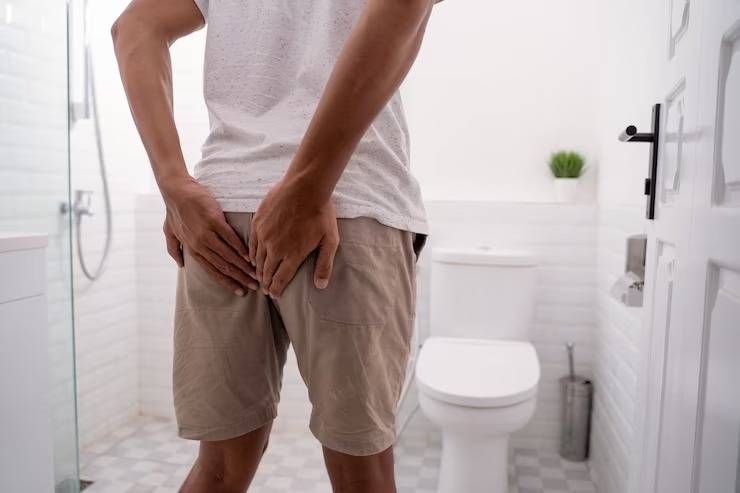
An anal fistula is a chronic abnormal communication between the end of the bowl and the skin near the anus. This originates from the anal glands. Fistula is a small tunnel that connects an abscess, an infected cavity in the anus, to an opening on the skin around the anus.
Causes of Anal Fistula: –
The leading causes of an anal fistula are clogged anal glands and anal abscesses. Other, much less common, conditions that can cause an anal fistula include:
- Sexually transmitted diseases
- Tuberculosis
- Chronic diseases
- Radiation
- Trauma
A Good doctor will help you recover from the problem. Anal fistula treatment in Indore is done with the latest technology and fine equipment.
Here are 5 common signs of Anal Fistula: –
- Feeling pain during bowel movements
- Bleeding from Anus.
- Fever, chills, and a general feeling of fatigue
- Frequent anal abscesses.
- Swelling and pain around the anus.
Fissure can be painful, and embarrassing and invite several other issues that can be dangerous.
Your piles doctor in Indore will examine your affected area around the Anus and then will the help of laser treatment the issue will be solved and you will be able to live your normal life after just a few days of care.
Frequently Asked Questions
Q. What are the early warning signs that I may need anal fistula treatment in Indore?
Ans. Early signs that indicate the need for anal fistula treatment in Indore include persistent pain around the anus, swelling, pus or blood discharge, and recurring boils or abscesses. You may also notice irritation or a small opening near the anal area. These symptoms should not be ignored, as early treatment helps prevent complications and faster recovery.
Q. Is anal fistula treatment in Indore painful and how long does recovery take?
Ans. Modern anal fistula treatment in Indore, especially laser-based procedures, is minimally painful and designed for faster healing. Most patients experience less discomfort, and recovery usually takes a few days to a few weeks depending on the severity of the condition. Proper post-treatment care and follow-up help ensure complete healing and reduce the risk of recurrence.